홍콩한타임즈
[기자칼럼] 홍콩한타임즈
집주인이 보증금을 안 준다면?
홍콩에서 내 돈 지키는 방법
홍콩 한인들이 모인 카톡 단체방 “홍콩생활방‘에는 자주 임대료 및 보증금에 대한 문의가 자주 나온다. 특히, 유학생이나 사회 초년생인 경우, 사회의 혹독함과 야박함을 경험하는 순간이라 필자는 안타까운 마음이 든다.
홍콩에서 아파트 임대차 계약이 끝나고 기쁜 마음으로 짐을 뺐지만, 퇴거 후 까닭 없이 보증금(Security Deposit) 반환을 차일피일 미루거나 원상복구를 핑계로 말도 안 되는 금액을 떼먹으려는 집주인을 만나는 경우가 종종 있다.
낯선 타지에서 언어적·법적 장벽에 부딪히면 당황하기 쉽지만, 홍콩 법률 체계의 특성을 조금만 이해하면 의외로 세입자가 쥘 수 있는 강력한 주도권이 존재한다.
억울하게 내 돈을 떼이지 않고 정당하게 보증금을 돌려받기 위한 단계별 대응을 알아보았다.
1.증거서류 수집 ‘서류’와 ‘기록’이 우선이 되어야 한다. 집주인과의 대화가 통하지 않을 때 가장 먼저 해야 할 일은 감정적인 싸움을 멈추고 법적 증거를 수집하는 것이다
입주 시와 퇴거 시 촬영해 둔 집 내부 사진 및 동영상, 열쇠 반납 확인 기록을 정리해야 한다.
홍콩 임대차법상 단순 세월의 흔적인 ‘일반적인 마모는 집주인이 보증금에서 공제할 수 없다.
임대차 계약서(Tenancy Agreement) & 송금 내역: 계약서 사본과 매월 차임(월세) 및 보증금을 송금한 은행 이체(FPS/Bank Transfer) 내역을 준비한다
2. 대응책
모든 증거가 준비되었다면, 집주인에게 단순한 독촉이 아닌 법적·행정적 리스크를 명확히 인지시키는 메시지를 전달한다.
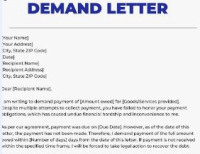
a. 정식 반환 요구서 (Letter of Demand)구두나 일반 메시지 대신, 반환 기한(예: 7일 이내)과 입금 계좌를 명시한 정식 Letter of Demand를 작성해 등기우편(Registered Mail) 및 이메일로 발송한다.
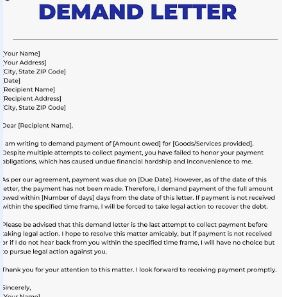
이는 향후 법원 소송 시 세입자가 할 수 있는 정당한 노력을 다했다는 결정적 증거가 된다.
b. 국세청(IRD) 탈세 제보 및 세무조사 언급 (가장 강력한 카드) 홍콩의 많은 개인 집주인들은 임대 소득세(Property Tax, 약 15%)를 축소 신고하거나 누락하는 경우가 많으며, 계약서 작성 시 인세(Stamp Duty) 각인을 누락하기도 한다.
소액재판소로 사건이 넘어가면 모든 임대차 계약서와 계좌 입금 내역이 공적 문서로 제출되며, 이는 국세청(IRD)의 세무조사로 이어질 수 있다.
"법적 절차 진행 시 세무 당국에 임대 내역이 자동으로 제출·조사될 수 있음"을 언급하는 것만으로도 집주인에게 엄청난 심리적 압박이 된다
c. 경찰(HKPF) 신고 및 소액재판소(SCT) 소송보증금을 정당한 사유 없이 고의로 돌려주지 않거나 무단 점유하는 행위에 대해 경찰(HKPF)에 사기/불법 취득(Fraud/Dishonest Appropriation)으로 신고하고, 변호사 없이 저렴하게 진행할 수 있는 소액재판소(Small Claims Tribunal)에 소송을 즉시 제기하겠다는 뜻을 명확히 밝힌다
많은 세입자들이 "정말 소송까지 가야 하나?"라는 주저함 때문에 골든타임을 놓치곤 한다.하지만 실제로 소액재판소(SCT)에 소장이 접수되거나 등기우편으로 Letter of Demand가 전달되면, 소송 비용과 세무조사 리스크를 감당하고 싶지 않은 집주인이 먼저 합의를 요청해 오는 경우가 대부분이다.
타국에서의 임대차 분쟁은 결코 피할 수 없는 불행이 아니다. 가장 중요한 것은 ‘증거를 확보 하고 냉정하게 대응한다면, 소중한 보증금을 안전하게 지켜낼 수 있다.
“Demand Letter 작성예시
"Letter of Demand"
[본인이름]
[본인현재 거주지 주소]
[본인 연락번호]
[본인 이메일 주소]
[발송일자]
[집주인 이름]
[집주인 거주 주소]
[집주인 이메일 주소]
Property Address: [퇴거한 집 주]
Tenancy Period: [계약 시작일] to [계약 종료일]
Dear [집주인 이름],
I am writing to formally demand the full return of my security deposit in the amount of HKD [보증금 금액], paid to you under the Tenancy Agreement for the above-mentioned property.
As per our agreement, the tenancy ended on [퇴거 일자], and I handed over the keys and vacant possession of the premises on [열쇠 반납 일자]. A joint inspection was conducted, and the property was returned in good and clean condition, subject only to fair wear and tear.
To date, I have not received the refund of my security deposit, despite repeated requests.
Please consider this letter as a formal demand for the immediate payment of HKD [보증금 금액]. Kindly deposit the full amount into my bank account within 7 calendar days from the date of this letter:
Bank Name: [은행 이름]
Account Name: [계좌명]
Account Number: [계좌 번호]
Please take note that if full payment is not received by [7일 후 날짜, 예: 18 August 2026], I will commence legal proceedings against you in the Small Claims Tribunal without further notice. Should legal action be necessary,
I will also claim interest, tribunal filing fees, and any associated expenses incurred due to your failure to comply.
I trust you will handle this matter promptly to avoid unnecessary legal cost and inconvenience.
Yours sincerely,
(본인 사인)
[본인 이름]
■ 홍콩교민방 * 홍콩생활방
https://open.kakao.com/o/gwcOvnuc
참여코드 : h0ngk0ng 참여코드 0은 숫자
What if the landlord doesn't return the security deposit? How to Protect Your Money in Hong Kong
In the KakaoTalk group chat "홍콩생활방" where Koreans in Hong Kong gather, inquiries regarding rent and security deposits frequently appear. This is particularly unfortunate for international students or those just starting their careers, as it is a moment when they experience the harshness and stinginess of society.
I feel a profound sense of sympathy for their situation
Although tenants happily move out of their apartments in Hong Kong after their lease ends, they often encounter landlords who inexplicably delay the return of the security deposit or try to withhold an absurd amount of money under the pretext of restoration.
It is easy to panic when facing language and legal barriers in an unfamiliar land, but if you understand the characteristics of the Hong Kong legal system even slightly, there is surprisingly strong leverage available to tenants.
. We have examined the step-by-step response to ensure you receive your security deposit back fairly and avoid being unfairly defrauded.
.1. Collecting Documentary Evidence
"Documents" and "records" must come first. When communication with the landlord is impossible, the first thing you must do is... The goal is to stop the fight and collect legal evidence.
You must organize photos and videos of the interior taken at the time of moving in and moving out, as well as records confirming the return of the keys.
Under Hong Kong tenancy laws, landlords cannot deduct from the security deposit "fair wear and tear," which is considered a mere sign of age.
Tenancy Agreement & Remittance Records: Prepare copies of the contract and bank transfer records (FPS) for the monthly rent and security deposit.
2. Countermeasures
Once all evidence is prepared, deliver a message to the landlord clearly acknowledging the legal and administrative risks involved, rather than simply making a demand for payment.
a. Formal Letter of Demand: Instead of verbal communication or general messages, draft a formal Letter of Demand specifying the return deadline (e.g., within 7 days) and the deposit account details, and send it via registered mail or email.
This serves as decisive evidence that the tenant has made all legitimate efforts possible in the event of future court proceedings. It is possible.
b. Reporting Tax Evasion to the Inland Revenue Department (IRD) and Mentioning a Tax Audit (The Strongest Card) Many private landlords in Hong Kong frequently underreport or omit rental income tax (Property Tax, approximately 15%), and often fail to stamp duty on contracts.
If the case is transferred to the Small Claims Court, all lease agreements and bank deposit records are submitted as official documents, which can lead to a tax audit by the Inland Revenue Department (IRD).
Simply mentioning that "rental details may be automatically submitted and investigated by tax authorities during legal proceedings" places immense psychological pressure on the landlord.
c. Reporting to the Police (HKPF) and Small Claims Court (SCT) Litigation: Reporting the intentional failure to return a security deposit without justifiable cause or unauthorized occupancy to the Police (HKPF) as Fraud/Dishonest Appropriation, and proceeding affordably without a lawyer Clearly state your intention to immediately file a lawsuit with the Small Claims Tribunal.
Many tenants often miss the golden opportunity due to hesitation, wondering, "Do I really have to go to court?" However, in reality, once a complaint is filed with the Small Claims Tribunal (SCT) or a Letter of Demand is delivered via registered mail, landlords who do not wish to bear the litigation costs and tax audit risks usually request a settlement first.
Lease disputes in a foreign country are by no means an unavoidable misfortune. The most important thing is that if you secure evidence and respond calmly, you can safely recover your valuable security deposit.